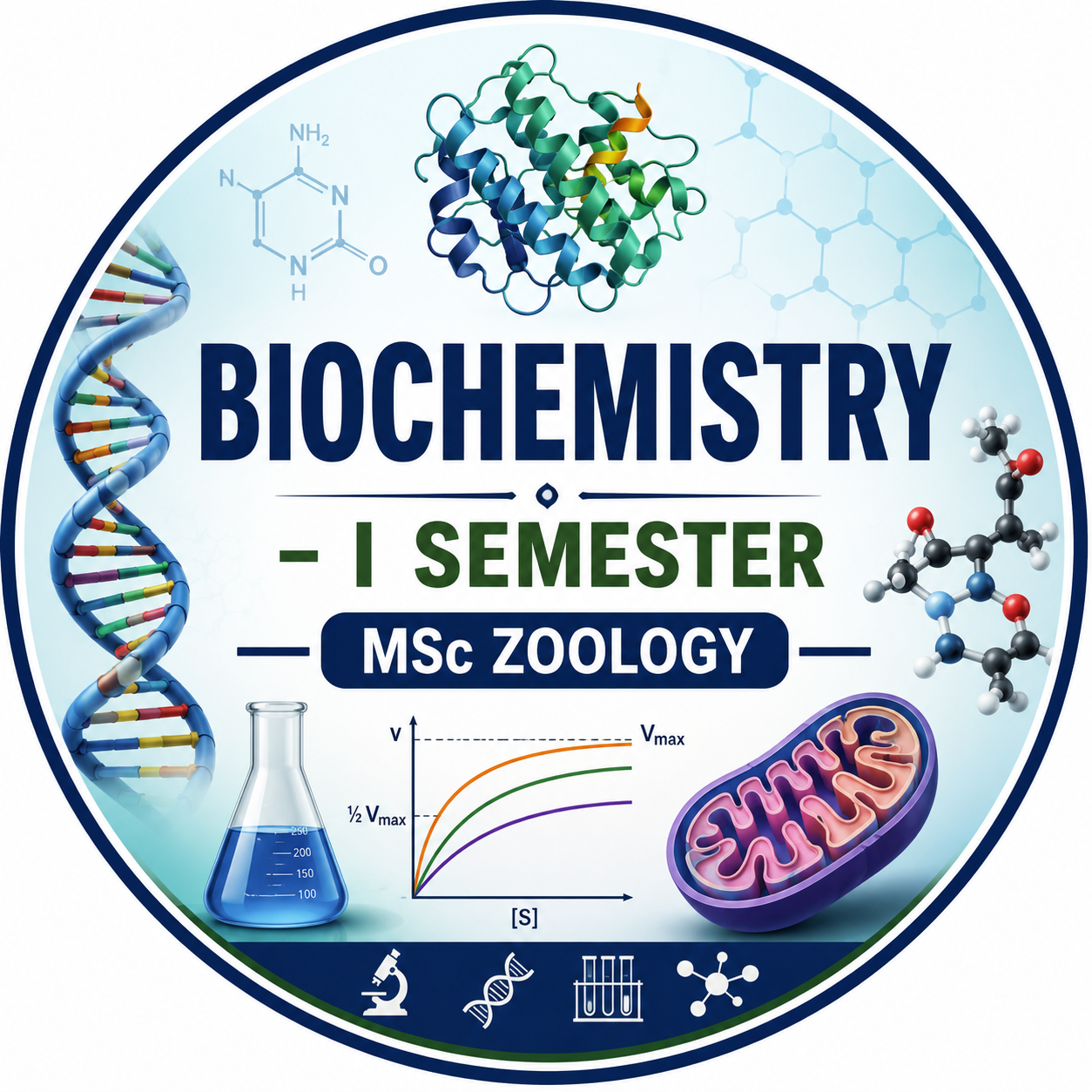
PART OF THE PAPER BIOCHEMISTRY & CYTOGENETICS FOR I SEM MSc ZOOLOGY
- Teacher: Dr. KP Mohammed Shareef
Moodle is an open-source Learning Management System (LMS) that provides educators with the tools and features to create and manage online courses. It allows educators to organize course materials, create quizzes and assignments, host discussion forums, and track student progress. Moodle is highly flexible and can be customized to meet the specific needs of different institutions and learning environments.
Moodle supports both synchronous and asynchronous learning environments, enabling educators to host live webinars, video conferences, and chat sessions, as well as providing a variety of tools that support self-paced learning, including videos, interactive quizzes, and discussion forums. The platform also integrates with other tools and systems, such as Google Apps and plagiarism detection software, to provide a seamless learning experience.
Moodle is widely used in educational institutions, including universities, K-12 schools, and corporate training programs. It is well-suited to online and blended learning environments and distance education programs. Additionally, Moodle's accessibility features make it a popular choice for learners with disabilities, ensuring that courses are inclusive and accessible to all learners.
The Moodle community is an active group of users, developers, and educators who contribute to the platform's development and improvement. The community provides support, resources, and documentation for users, as well as a forum for sharing ideas and best practices. Moodle releases regular updates and improvements, ensuring that the platform remains up-to-date with the latest technologies and best practices.
Links of interest:
PART OF THE PAPER BIOCHEMISTRY & CYTOGENETICS FOR I SEM MSc ZOOLOGY
ZOL3C07
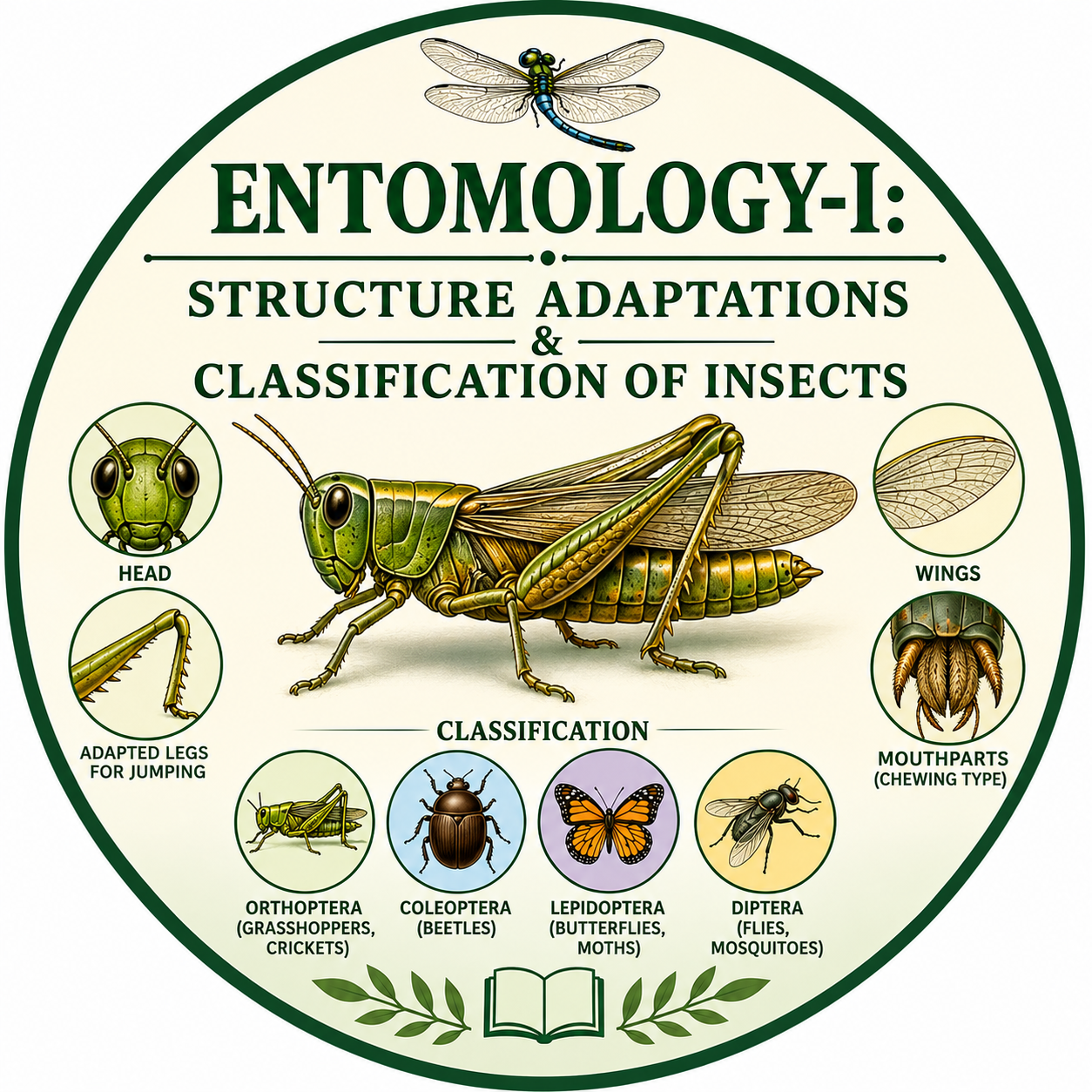
STRUCTURE ADAPTATIONS & CLASSIFICATION OF INSECTS
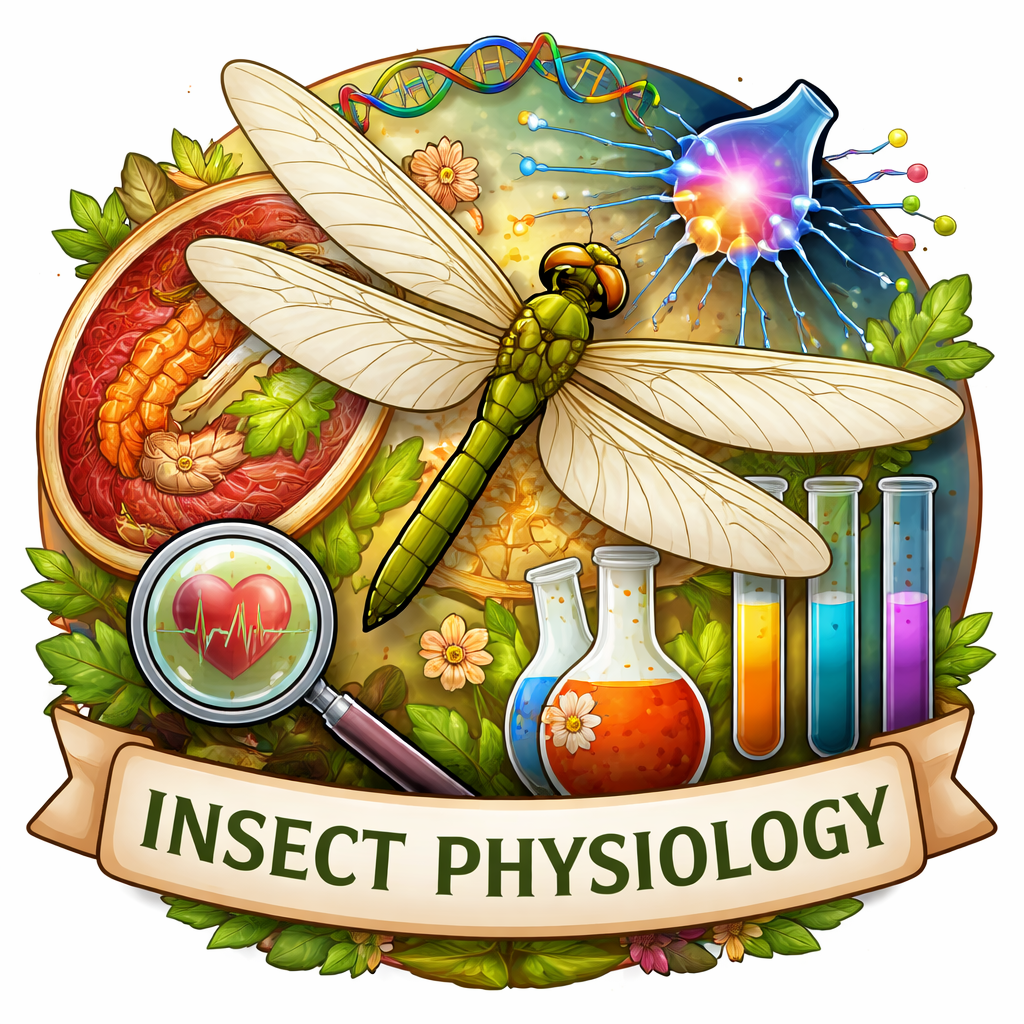
The Insect Physiology course in the MSc Zoology programme at University of Calicut provides an in-depth understanding of the structural and functional mechanisms of insect body systems, integrating anatomy with physiological processes; it covers major systems such as digestion and metabolism, circulation and haemolymph composition, excretion through Malpighian tubules, respiration via tracheal systems, and neuromuscular coordination, along with sensory physiology and behavior, while also emphasizing endocrine regulation, hormonal control, pheromonal communication, and reproductive biology including embryogenesis and development, thereby equipping students with comprehensive knowledge of how insects function, adapt, and survive in diverse environments, with both theoretical insights and applied relevance in fields like entomology and pest management
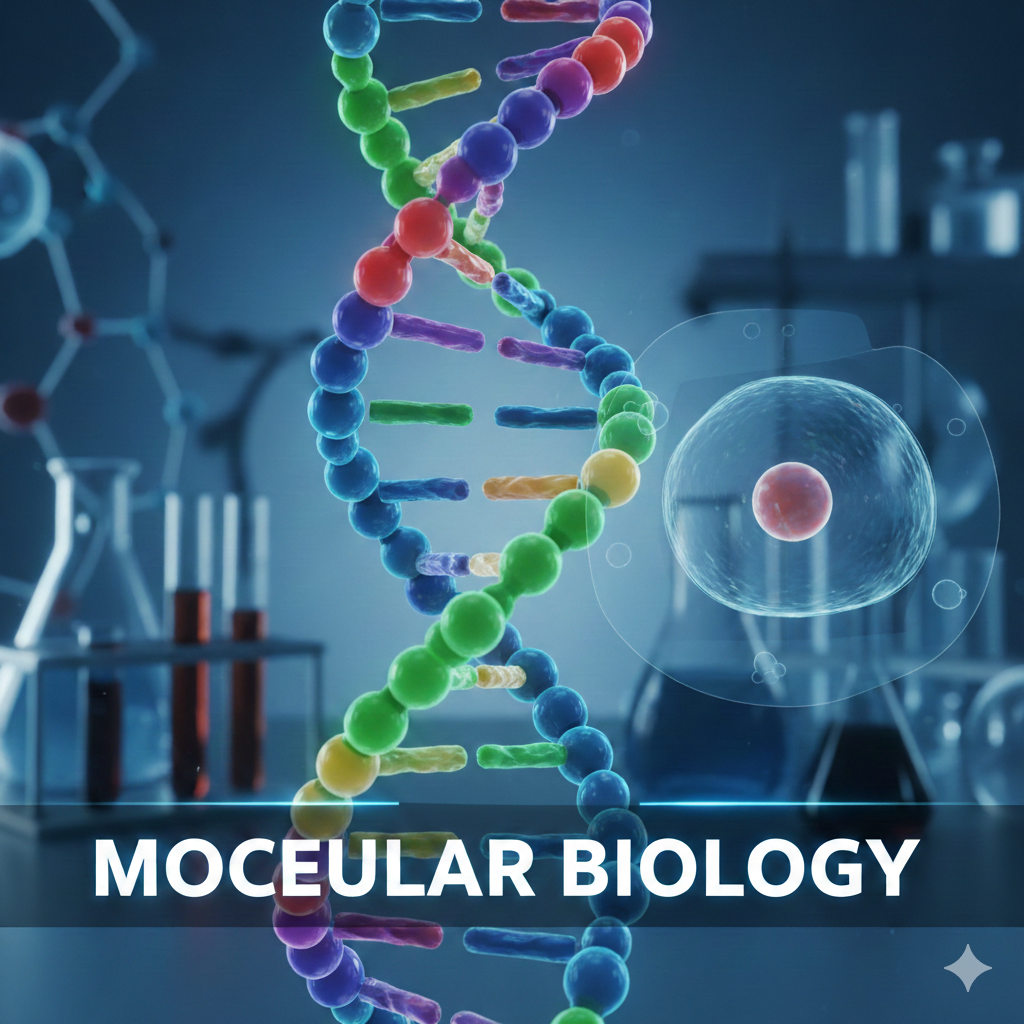
The second semester molecular biology curriculum covers essential topics including DNA replication, transcription, translation, gene regulation, and cancer biology, providing a thorough understanding of genetic mechanisms and cellular processes